Surgery + Radiation
“Coordinated care, clear cost guidance and compassionate follow‑ups made a tough journey feel structured and hopeful.”
AS
Ananya Sharma
Mumbai★ 5

Our cancer specialist doctors are trained from AIIMS (New Delhi) and Tata Memorial Centre (Mumbai), Rajiv Gandhi Cancer Institute etc with MD, DM & M.Ch. degrees.

Our cancer specialist doctors are trained from AIIMS (New Delhi) and Tata Memorial Centre (Mumbai), Rajiv Gandhi Cancer Institute etc with MD, DM & M.Ch. degrees.
Book Appointment with best doctors for Gallbladder Cancer in Delhi & get priority at the hospital through BigOHealth

Oncologist
10 yrs experience
Fortis Memorial Research Institute
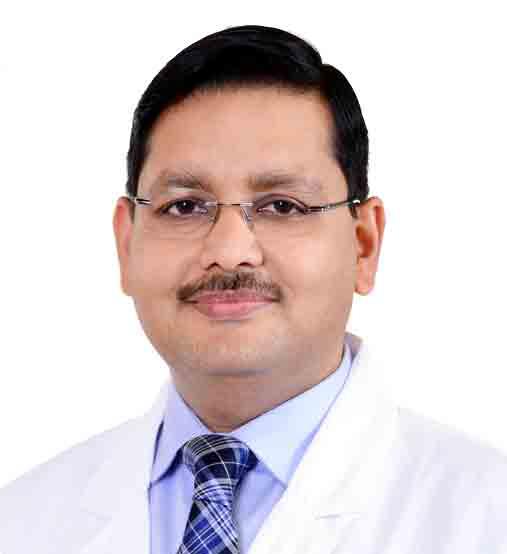
Dr. Suman Karanth is a respected gall bladder cancer specialist in Delhi, known for her thorough and individualized approach to a cancer that often requires early and precise intervention. Drawing on her Fellowship at The Christie Hospital, UK, and experience in clinical trials focused on biliary tract cancers, she designs treatment strategies that are specific to each patient's condition. Her close coordination with surgical and radiation teams at FMRI ensures patients receive complete, well-integrated care throughout their treatment journey.
Surgical Oncologist
25 yrs experience
Fortis Memorial Research Institute
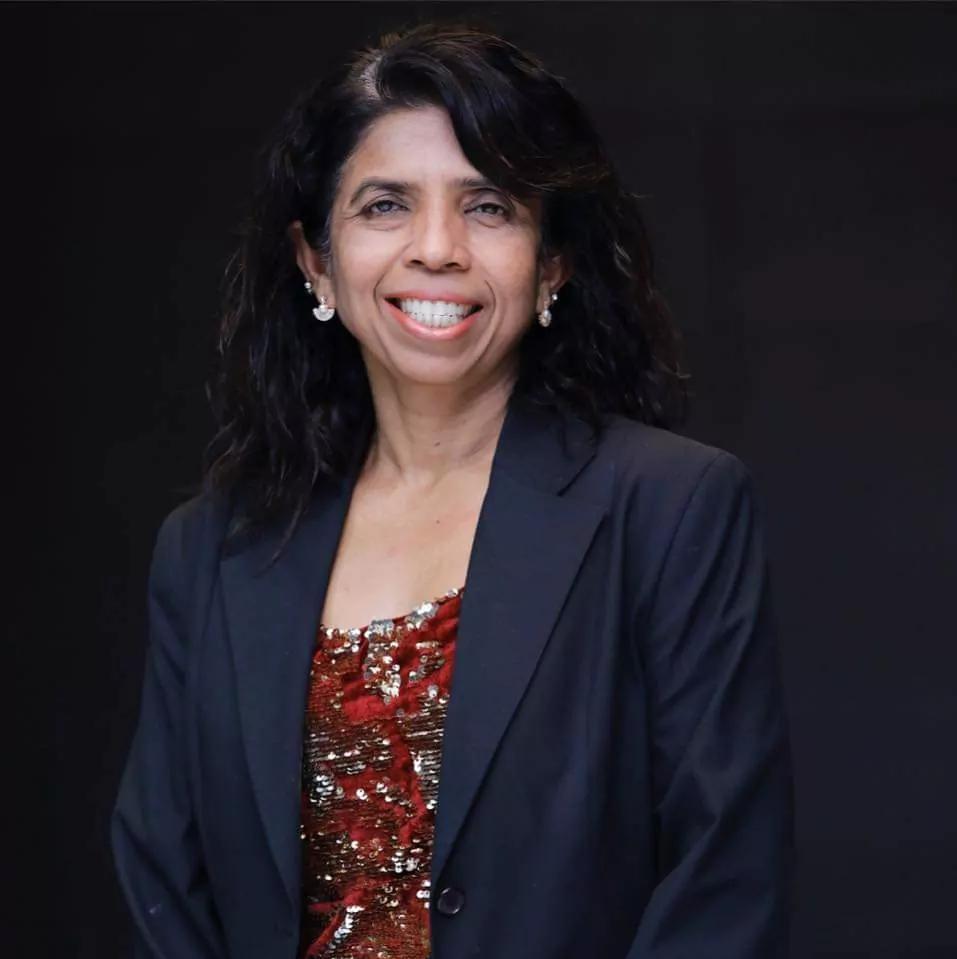
Dr. Vedant Kabra – Best Gastrointestinal Cancer Surgeon in Delhi Renowned for his expertise in Gastrointestinal Oncology, Dr. Vedant Kabra is the top choice for Gallbladder and Liver Cancer surgery in Delhi. With a record of successful complex hepatobiliary procedures, he prioritizes organ-preserving techniques for the best patient outcomes.
Oncologist
23 yrs experience
Fortis Memorial Research Institute
Dr. Swarupa Mitra – Best GI Cancer Radiation Oncologist in Delhi Dr. Swarupa Mitra offers advanced radiation solutions for Gastrointestinal cancers, including Gallbladder and Liver malignancies. Using sophisticated Image-Guided Radiation Therapy (IGRT), she manages complex abdominal tumors with precision.With over two decades of experience, she is Delhi’s trusted authority for difficult GI oncology cases.
Pain and Palliative Medicine
12 yrs experience
Fortis Memorial Hospital
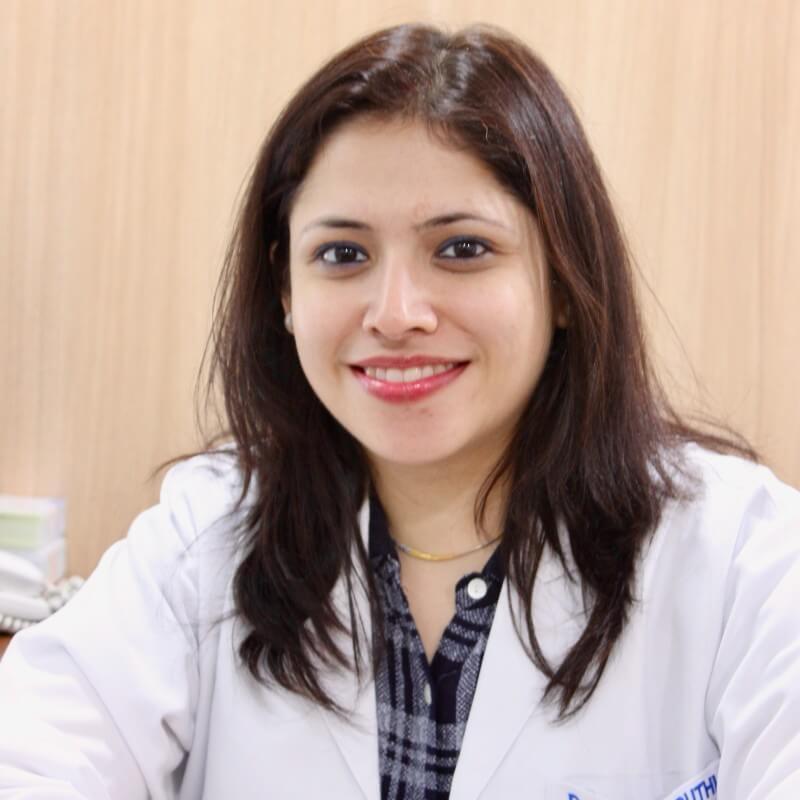
Dr. Megha Pruthi – Expert in Coeliac Plexus Block in Delhi Dr. Megha Pruthi is a highly skilled expert in Coeliac Plexus and Splanchnic Nerve Blocks, the gold standard for relieving severe abdominal pain in gallbladder and GI cancers. Based in Delhi, she utilizes ultrasound and C-arm guided interventions to effectively manage visceral pain, significantly enhancing patient comfort.
Medical Oncologist
15 yrs experience
Fortis Memorial Research Institute
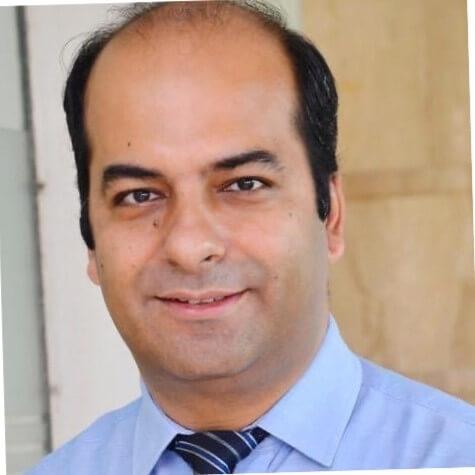
Dr. Ankur Bahl – Best GI Cancer Medical Oncologist in Delhi Dr. Ankur Bahl is a top-tier expert in Gastrointestinal Oncology in Delhi, offering specialized medical treatment for Gallbladder and liver cancers. With over 15 years of experience, he employs the latest Targeted Therapies to manage complex GI tumors, making him a trusted choice for digestive tract cancer care.
Consult with top-rated medical oncologists specializing in gallbladder cancer treatment
Oncologist
10 yrs experience
Fortis Memorial Research Institute
Dr. Suman Karanth is a respected gall bladder cancer specialist in Delhi, known for her thorough and individualized approach to a cancer that often requires early and precise intervention. Drawing on her Fellowship at The Christie Hospital, UK, and experience in clinical trials focused on biliary tract cancers, she designs treatment strategies that are specific to each patient's condition. Her close coordination with surgical and radiation teams at FMRI ensures patients receive complete, well-integrated care throughout their treatment journey.
Medical Oncologist
15 yrs experience
Fortis Memorial Research Institute
Dr. Ankur Bahl – Best GI Cancer Medical Oncologist in Delhi Dr. Ankur Bahl is a top-tier expert in Gastrointestinal Oncology in Delhi, offering specialized medical treatment for Gallbladder and liver cancers. With over 15 years of experience, he employs the latest Targeted Therapies to manage complex GI tumors, making him a trusted choice for digestive tract cancer care.
Consult with top-rated surgical oncologists specializing in gallbladder cancer treatment
Surgical Oncologist
25 yrs experience
Fortis Memorial Research Institute
Dr. Vedant Kabra – Best Gastrointestinal Cancer Surgeon in Delhi Renowned for his expertise in Gastrointestinal Oncology, Dr. Vedant Kabra is the top choice for Gallbladder and Liver Cancer surgery in Delhi. With a record of successful complex hepatobiliary procedures, he prioritizes organ-preserving techniques for the best patient outcomes.
Consult with top-rated radiation oncologists specializing in gallbladder cancer treatment
Oncologist
23 yrs experience
Fortis Memorial Research Institute
Dr. Swarupa Mitra – Best GI Cancer Radiation Oncologist in Delhi Dr. Swarupa Mitra offers advanced radiation solutions for Gastrointestinal cancers, including Gallbladder and Liver malignancies. Using sophisticated Image-Guided Radiation Therapy (IGRT), she manages complex abdominal tumors with precision.With over two decades of experience, she is Delhi’s trusted authority for difficult GI oncology cases.
Consult with top-rated pain & palliative care specializing in gallbladder cancer treatment
Pain and Palliative Medicine
12 yrs experience
Fortis Memorial Hospital
Dr. Megha Pruthi – Expert in Coeliac Plexus Block in Delhi Dr. Megha Pruthi is a highly skilled expert in Coeliac Plexus and Splanchnic Nerve Blocks, the gold standard for relieving severe abdominal pain in gallbladder and GI cancers. Based in Delhi, she utilizes ultrasound and C-arm guided interventions to effectively manage visceral pain, significantly enhancing patient comfort.
Get treatment from best oncologists in Delhi for gallbladder cancer in top hospitals. Book appointment through BigOHealth. Get assisted care & priority at the hospital.
Get gallbladder cancer treatment at Delhi's premier hospitals with multidisciplinary cancer care teams. Book appointments through BigOHealth for priority scheduling.


Network Access: Book appointments at any of these Delhi hospitals through BigOHealth and get priority scheduling with our partner gallbladder cancer specialists.
Should I see a hepatobiliary surgeon or gi oncologist for gallbladder cancer? Here's who to consult first.
| Feature | Hepatobiliary Surgeon | GI Oncologist |
|---|---|---|
| Primary Role | Performs complex liver and bile duct surgeries | Manages chemotherapy and coordinates overall cancer care |
| When to Visit | First Step: If diagnosed with gallbladder mass or cancer | Second Step: For advanced disease or adjuvant therapy |
| Key Expertise | Extended cholecystectomy and liver resection procedures | Systemic chemotherapy and palliative care coordination |
| Common Titles | HPB Surgeon, Liver Surgeon | GI Oncologist, Medical Oncologist |
Primary Role
Performs complex liver and bile duct surgeries
When to Visit
First Step: If diagnosed with gallbladder mass or cancer
Key Expertise
Extended cholecystectomy and liver resection procedures
Common Titles
HPB Surgeon, Liver Surgeon
Primary Role
Manages chemotherapy and coordinates overall cancer care
When to Visit
Second Step: For advanced disease or adjuvant therapy
Key Expertise
Systemic chemotherapy and palliative care coordination
Common Titles
GI Oncologist, Medical Oncologist
In Delhi, gallbladder cancer requires hepatobiliary surgical expertise. Choose a surgeon who regularly performs liver resections, as surgery offers the best chance of cure for early-stage disease.
Delhi has advanced technology for gallbladder cancer treatment. Ask your doctor if these facilities are available:
Complete surgical removal including affected liver segments for best outcomes.
AIIMS, Max, Sir Ganga Ram, FortisERCP and PTBD for jaundice relief and biliary drainage.
All major hospitalsIdentifies patients eligible for trastuzumab (Herceptin) therapy.
Major cancer centersPrecise radiation delivery to tumor bed while sparing liver and bowel.
Max, Fortis, Rajiv GandhiPain management and quality of life support for advanced stages.
All tertiary hospitalsPro Tip: When booking your gallbladder cancer consultation, ask the hospital coordinator if these technologies are available at their Delhi facility. Not all hospitals have the same level of infrastructure.
What should I ask my gallbladder cancer doctor? Here are 5 important questions for your first consultation:
Why it matters: Surgery is the only curative option; early assessment is critical.
Why it matters: Extent of surgery depends on cancer spread to nearby liver tissue.
Why it matters: HER2-positive patients may benefit from targeted therapy with trastuzumab.
Why it matters: Biliary drainage procedures may be needed before or instead of surgery.
Why it matters: Digestive enzyme supplements help with fat digestion after gallbladder removal.
Before Your Gallbladder Cancer Consultation: Bring ultrasound, CT/MRI reports, CA 19-9 blood test results, and liver function tests to your consultation for comprehensive evaluation.
Our team helps patients make a list of questions to discuss with doctors so that you can have best use of your consultation time. Message us & we will assist you.
What to look for when selecting a gallbladder cancer specialist? Use these specific, actionable criteria to evaluate doctors and hospitals:
Choose an HPB surgeon performing 25+ gallbladder cancer surgeries annually with expertise in extended cholecystectomy and liver segment resections. High-volume HPB centers achieve R0 resection (complete tumor removal) in 75-80% cases vs 50-60% at low-volume centers.
Ensure the hospital offers HER2 testing on tumor samples within 5-7 days. 15-20% of gallbladder cancers are HER2-positive and benefit from trastuzumab therapy, improving survival by 3-6 months. Ask if biosimilar versions are available to reduce costs by 40-50%.
Verify 24/7 interventional radiology and ERCP availability for jaundice management. Preoperative biliary drainage within 48 hours of diagnosis reduces surgical complications by 30% and improves liver function recovery post-surgery.
Confirm weekly tumor boards including HPB surgeons, liver transplant teams, GI oncologists, and interventional radiologists. For locally advanced disease, combined expertise determines resectability and identifies candidates for neoadjuvant chemotherapy.
Ask about post-surgical chemotherapy protocols. Gemcitabine-based regimens (Gem-Cis or Gem-Cap) improve disease-free survival by 20-25% in Stage IB+ disease. Verify insurance coverage for 6-month chemotherapy course (₹1.6-3.2L total cost).
For advanced/unresectable disease, look for dedicated palliative care teams starting from diagnosis. Early palliative care (within 8 weeks) improves quality of life scores by 40% and reduces unnecessary hospitalizations by 30%. Ask about home-based pain management protocols.
During your gallbladder cancer consultation in Delhi, ask your doctor about each of these factors. These questions help you identify truly experienced specialists and well-equipped hospitals for the best gallbladder cancer treatment outcomes.
Confused about which gallbladder cancer specialist to consult? Get free expert guidance from our patient care coordinators - Available 24/7
Gallbladder cancer is aggressive and catching it early matters. BigOHealth connects you with expert HPB surgeons in Delhi and GI oncologists who specialize in biliary cancers. These surgeons perform complex procedures like extended cholecystectomy and liver resection, combining surgical precision with systemic gallbladder cancer treatment to give you the best fighting chance.
We walk with you through every step of your gallbladder cancer journey in Delhifrom getting that first diagnosis to planning treatment, finding emotional support, and staying on track with follow-ups. You deserve honest answers, evidence-based care, and doctors who genuinely care about your recovery and quality of life.
We handpick specialists based on multiple factors to provide the best possible care.
Thousands of patients trust us for confident treatment decisions.
Book with our experts and get priorityonline or in‑hospital.
Doctors trained at top cancer centers like AIIMS, TMC, RGCIH and others.
Oncology, cardiology, nephrology, neurology, psychology and moreworking together.
We match you to the right expert for your diagnosis and priorities.
Gallbladder cancer in Delhi requires specialized HPB (hepatobiliary) surgeons who perform these complex operations regularly. BigOHealth connects you with surgeons at Delhi's premier cancer centers who have expertise in extended cholecystectomy with liver resection—the aggressive surgery needed to give you the best chance of long-term survival.
Multidisciplinary tumor board evaluation including HPB surgeon, liver transplant team, and GI oncologist
Extended cholecystectomy with segments IVb and V liver resection for T2+ disease
ERCP and biliary drainage within 48 hours to manage jaundice before surgery
HER2 testing on all tumors to identify candidates for trastuzumab targeted therapy
Adjuvant chemotherapy (Gemcitabine-Cisplatin or Gemcitabine-Capecitabine) to reduce recurrence risk
If you're dealing with gallbladder cancer in Delhi, BigOHealth helps you find HPB surgeons who honestly discuss resectability, explain the risks of major liver surgery, and coordinate with medical oncologists to plan adjuvant chemotherapy that improves your chances of staying cancer-free.
At BigOHealth, we provide transparent cost breakdowns that include surgery, chemotherapy, and advanced targeted therapies. By choosing a specialized Gallbladder Cancer oncologists in Delhi, you can reduce out-of-pocket expenses while maintaining international standards of care. Costs are indicative and may vary based on disease stage, hospital expertise, liver involvement, and personalized treatment plan.
N/A
N/A
Disclaimer: Indicative estimates only. Individual plans depend on clinical staging, biology & personalization.
Real experiences from Indian patients & caregivers navigating multidisciplinary cancer care.
Surgery + Radiation
“Coordinated care, clear cost guidance and compassionate follow‑ups made a tough journey feel structured and hopeful.”
Chemotherapy
“Streamlined appointments, quick second opinions and transparent estimates reduced our anxiety significantly.”
Endocrine Therapy
“Nutritional guidance & rehabilitation tracking helped me recover strength faster after completing therapy.”
Targeted Therapy
“Cost breakdowns were precise; I could plan insurance claims and avoid surprise expenses.”
Follow‑up Care
“Doctor selection filters saved time. Remote updates kept extended family informed without chaos.”
Chemotherapy + Supportive Care
“Personalized staging explanation and therapy pathway boosted my confidence before starting cycles.”
Surgery + Radiation
“Coordinated care, clear cost guidance and compassionate follow‑ups made a tough journey feel structured and hopeful.”
Chemotherapy
“Streamlined appointments, quick second opinions and transparent estimates reduced our anxiety significantly.”
Endocrine Therapy
“Nutritional guidance & rehabilitation tracking helped me recover strength faster after completing therapy.”
Targeted Therapy
“Cost breakdowns were precise; I could plan insurance claims and avoid surprise expenses.”
Follow‑up Care
“Doctor selection filters saved time. Remote updates kept extended family informed without chaos.”
Chemotherapy + Supportive Care
“Personalized staging explanation and therapy pathway boosted my confidence before starting cycles.”
Real work. Real impact. Embedded education & innovation content—watch videos, explore research, and see how BigOHealth advances cancer care.
 Video
Video Video
Video Video
Video Video
Video Video
Video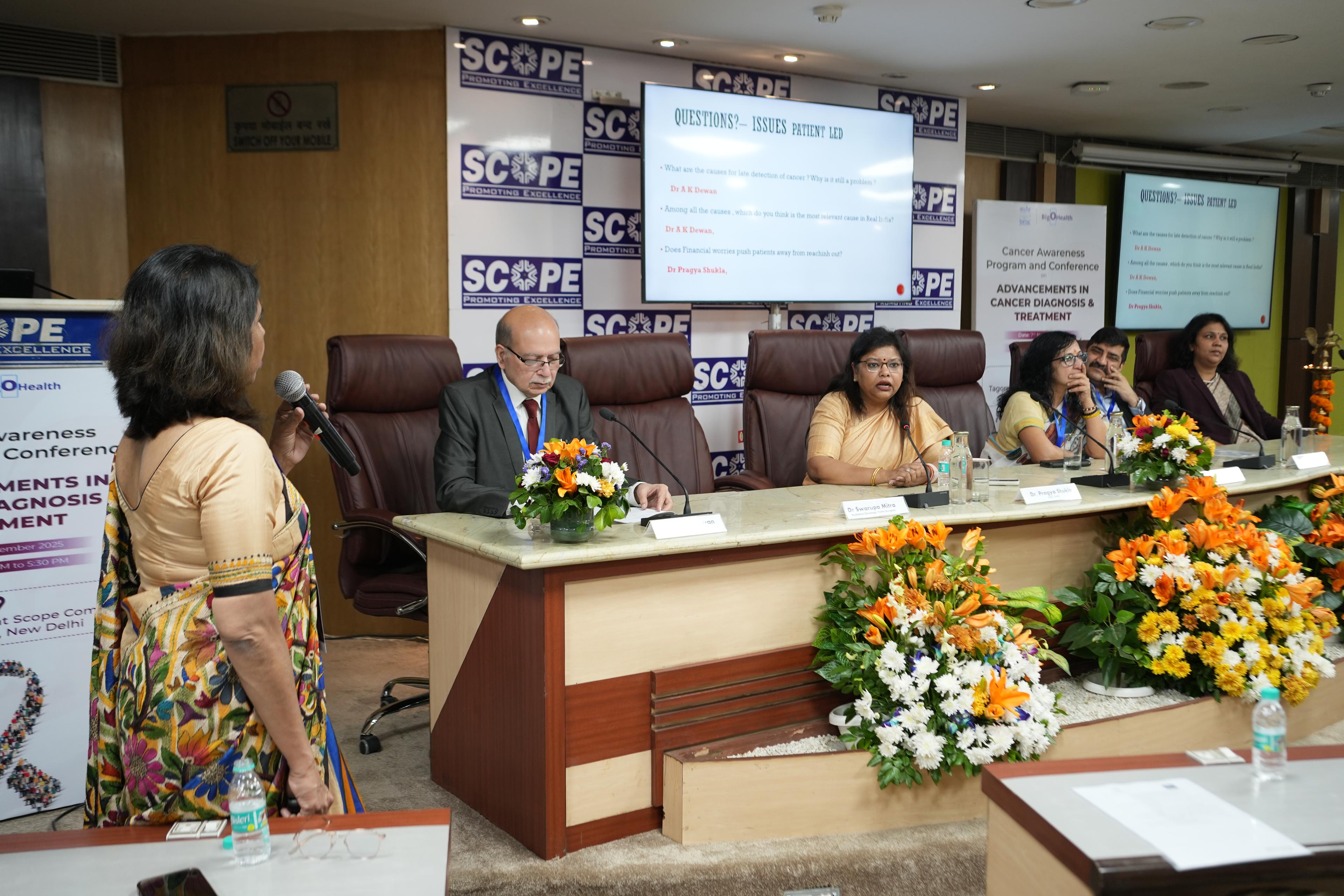 Conference
Leading oncologists and medical professionals discuss breakthrough treatments, innovations, and the future of cancer care in India.
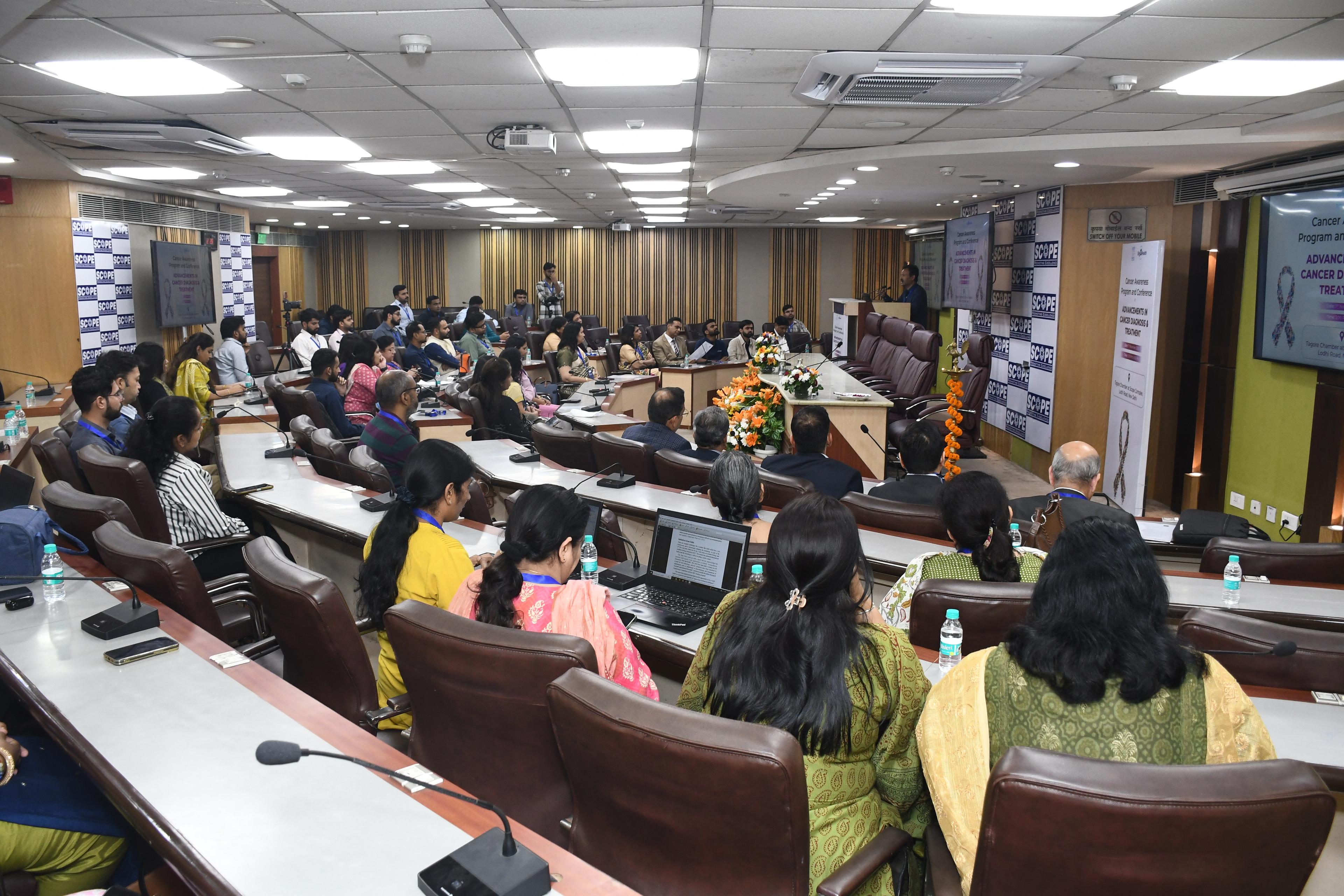 Conference
Advanced workshop on cancer innovation, precision medicine, and breakthrough treatments featuring leading oncology experts.
Tell us your situation and we’ll match you with the right cancer specialist in your city.
Quick call. No obligation.
Unified, compact view of symptom clusters and treatment impact. Content remains fully visible for search engines; search gently highlights matching terminology.
Early, common & advanced signs of gallbladder cancer

Short & long-term side effects of gallbladder cancer treatment

Informational reference only; seek urgent care for severe or rapidly worsening symptoms.
Get your Gallbladder Cancer systematically reviewed through a multidisciplinary tumor board, where surgical, medical, and radiation oncologists collectively evaluate reports, imaging, and pathology to support evidence-based treatment planning personalised for you.
Clear, patient‑friendly answers to common gallbladder cancer queries. All FAQs are visible (no accordion) for easy scanning and search optimization.
The gallbladder is a small, pear-shaped organ placed just under the liver on the right side of your upper abdomen. It stores bile that helps in digestion.
Gallbladder removal (cholecystectomy) is usually done when a person has gallstones, severe pain, infection, inflammation, or repeated digestive problems. Removing the gallbladder prevents future attacks and complications.
Gallbladder cancer is treatable, especially when it is found early. Treatment may include surgery, chemotherapy, or radiation depending on the stage. Early diagnosis improves the chances of recovery.
Yes, bladder cancer is treatable. Many patients do well when treatment begins early. Options include surgery, TURBT, chemotherapy, immunotherapy, and radiation. Success depends on the cancer stage and overall health.
Humans have one urinary bladder. Its job is to collect and store urine before it is passed out of the body.
Ultrasound can help detect bladder cancer by showing abnormal growths or thickening inside the bladder. However, doctors often confirm the diagnosis using tests like cystoscopy and biopsy.
Educational guidance only; consult qualified oncology professionals for personalized medical advice.