Surgery + Radiation
“Coordinated care, clear cost guidance and compassionate follow‑ups made a tough journey feel structured and hopeful.”
AS
Ananya Sharma
Mumbai★ 5

Our cancer specialist doctors are trained from AIIMS (New Delhi) and Tata Memorial Centre (Mumbai), Rajiv Gandhi Cancer Institute etc with MD, DM & M.Ch. degrees.

Our cancer specialist doctors are trained from AIIMS (New Delhi) and Tata Memorial Centre (Mumbai), Rajiv Gandhi Cancer Institute etc with MD, DM & M.Ch. degrees.
Book Appointment with best doctors for Oral Cancer in Delhi & get priority at the hospital through BigOHealth
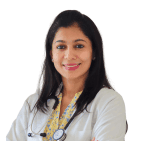
Oncologist
10 yrs experience
Fortis Memorial Research Institute
Dr. Suman Karanth is a trusted oral and head-and-neck cancer specialist in Delhi, with a strong background in managing complex cases through coordinated multimodal care. Her Fellowship at The Christie Hospital, UK, and participation in international clinical trials covering immunotherapy and combination chemotherapy give her a well-rounded clinical foundation. At FMRI, she works closely with surgical oncologists and radiation specialists, with a clear focus on preserving speech, swallowing function, and overall quality of life for every patient.
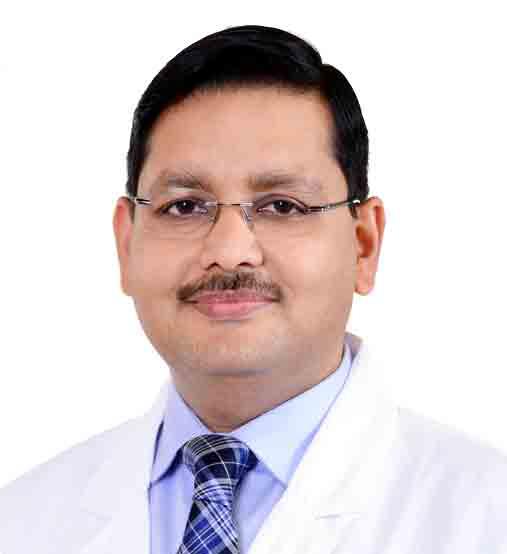
Surgical Oncologist
25 yrs experience
Fortis Memorial Research Institute
Dr. Vedant Kabra – Best Oral Cancer Surgeon in Delhi Dr. Kabra is a premier expert in Oral and Head & Neck Oncosurgery in Delhi, focusing on organ preservation and complex jaw reconstruction. Spearheading the Voice of Tobacco Victims (VoTV) movement, he brings unmatched dedication and surgical expertise to treating patients with oral cancers.
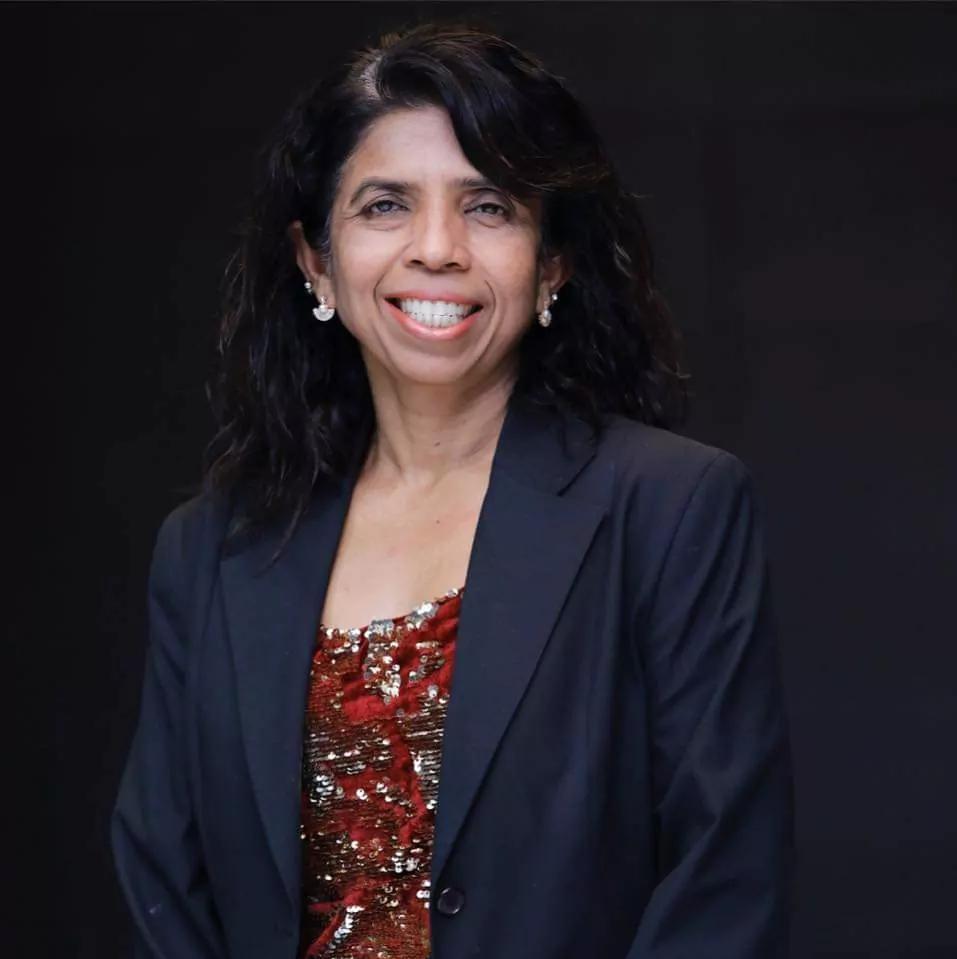
Oncologist
23 yrs experience
Fortis Memorial Research Institute
Dr. Swarupa Mitra – Leading Head & Neck Radiation Oncologist in Delhi Dr. Swarupa Mitra is a renowned name in Delhi for treating Head & Neck cancers, utilizing VMAT and IGRT to preserve critical functions like swallowing and speech. As a faculty member at ASCO and ICRO, she brings international expertise to oral cancer treatment, ensuring the highest standards of patient safety and recovery.
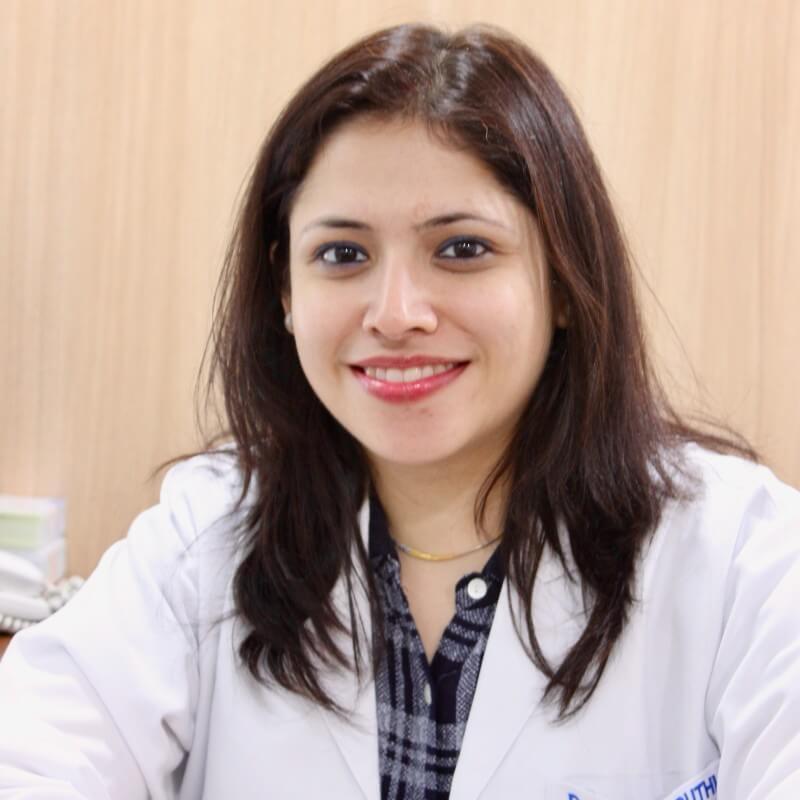
Pain and Palliative Medicine
12 yrs experience
Fortis Memorial Hospital
Dr. Megha Pruthi – Best Facial Pain Management Specialist in Delhi With specific expertise in Trigeminal Ganglion Ablation and facial pain, Dr. Megha Pruthi is a top choice in Delhi for managing severe oral and head & neck cancer pain. Her background in Anaesthesiology and Interventional Pain allows her to perform minimally invasive nerve blocks that provide significant relief for difficult oral cancer cases.
Medical Oncologist
15 yrs experience
Fortis Memorial Research Institute
Dr. Ankur Bahl – Best Head & Neck Cancer Medical Specialist in Delhi Dr. Ankur Bahl is a pioneer in Head & Neck Oncology in Delhi, recognized as the lead author of India’s largest study on Targeted Therapy (Cetuximab) for oral cancers. His deep research background ensures patients receive the most evidence-based medical treatments available for oral malignancies.
Consult with top-rated medical oncologists specializing in oral cancer treatment
Oncologist
10 yrs experience
Fortis Memorial Research Institute
Dr. Suman Karanth is a trusted oral and head-and-neck cancer specialist in Delhi, with a strong background in managing complex cases through coordinated multimodal care. Her Fellowship at The Christie Hospital, UK, and participation in international clinical trials covering immunotherapy and combination chemotherapy give her a well-rounded clinical foundation. At FMRI, she works closely with surgical oncologists and radiation specialists, with a clear focus on preserving speech, swallowing function, and overall quality of life for every patient.
Medical Oncologist
15 yrs experience
Fortis Memorial Research Institute
Dr. Ankur Bahl – Best Head & Neck Cancer Medical Specialist in Delhi Dr. Ankur Bahl is a pioneer in Head & Neck Oncology in Delhi, recognized as the lead author of India’s largest study on Targeted Therapy (Cetuximab) for oral cancers. His deep research background ensures patients receive the most evidence-based medical treatments available for oral malignancies.
Consult with top-rated surgical oncologists specializing in oral cancer treatment
Surgical Oncologist
25 yrs experience
Fortis Memorial Research Institute
Dr. Vedant Kabra – Best Oral Cancer Surgeon in Delhi Dr. Kabra is a premier expert in Oral and Head & Neck Oncosurgery in Delhi, focusing on organ preservation and complex jaw reconstruction. Spearheading the Voice of Tobacco Victims (VoTV) movement, he brings unmatched dedication and surgical expertise to treating patients with oral cancers.
Consult with top-rated radiation oncologists specializing in oral cancer treatment
Oncologist
23 yrs experience
Fortis Memorial Research Institute
Dr. Swarupa Mitra – Leading Head & Neck Radiation Oncologist in Delhi Dr. Swarupa Mitra is a renowned name in Delhi for treating Head & Neck cancers, utilizing VMAT and IGRT to preserve critical functions like swallowing and speech. As a faculty member at ASCO and ICRO, she brings international expertise to oral cancer treatment, ensuring the highest standards of patient safety and recovery.
Consult with top-rated pain & palliative care specializing in oral cancer treatment
Pain and Palliative Medicine
12 yrs experience
Fortis Memorial Hospital
Dr. Megha Pruthi – Best Facial Pain Management Specialist in Delhi With specific expertise in Trigeminal Ganglion Ablation and facial pain, Dr. Megha Pruthi is a top choice in Delhi for managing severe oral and head & neck cancer pain. Her background in Anaesthesiology and Interventional Pain allows her to perform minimally invasive nerve blocks that provide significant relief for difficult oral cancer cases.
Get treatment from best oncologists in Delhi for oral cancer in top hospitals. Book appointment through BigOHealth. Get assisted care & priority at the hospital.
Get oral cancer treatment at Delhi's premier hospitals with multidisciplinary cancer care teams. Book appointments through BigOHealth for priority scheduling.


Network Access: Book appointments at any of these Delhi hospitals through BigOHealth and get priority scheduling with our partner oral cancer specialists.
Should I see a surgical oncologist or medical oncologist for oral cancer? Here's who to consult first.
| Feature | Surgical Oncologist | Medical Oncologist |
|---|---|---|
| Primary Role | Performs tumor excision, neck dissection, and reconstruction | Coordinates chemotherapy, targeted therapy, and immunotherapy |
| When to Visit | First Step: If you have a suspicious oral lesion or diagnosed oral cancer | Second Step: For advanced cancer or if adjuvant therapy is needed |
| Key Expertise | Skill in microvascular reconstruction and minimally invasive techniques | Management of systemic therapies for oral cancer |
| Common Titles | Head and Neck Surgeon, Onco-Surgeon | Oncologist, Chemo Specialist |
Primary Role
Performs tumor excision, neck dissection, and reconstruction
When to Visit
First Step: If you have a suspicious oral lesion or diagnosed oral cancer
Key Expertise
Skill in microvascular reconstruction and minimally invasive techniques
Common Titles
Head and Neck Surgeon, Onco-Surgeon
Primary Role
Coordinates chemotherapy, targeted therapy, and immunotherapy
When to Visit
Second Step: For advanced cancer or if adjuvant therapy is needed
Key Expertise
Management of systemic therapies for oral cancer
Common Titles
Oncologist, Chemo Specialist
In Delhi, look for cancer centers that offer a team approach to oral cancer treatment, including surgeons, medical oncologists, radiation oncologists, and supportive care specialists. This ensures all aspects of your cancer care are coordinated.
Delhi has advanced technology for oral cancer treatment. Ask your doctor if these facilities are available:
Advanced surgical technique to rebuild jaw, tongue, or facial structures after cancer removal.
AIIMS, Max, BLK-MaxTransoral robotic surgery (TORS) for tongue and throat cancers with better access.
Select centers with robotic capabilityIntensity-modulated radiation that spares salivary glands and reduces dry mouth.
Most major hospitalsSpecialized rehabilitation to restore speech and eating functions post-treatment.
All major cancer centersProsthetic support and implants to restore dental function.
Dedicated oral rehabilitation unitsPro Tip: When booking your oral cancer consultation, ask the hospital coordinator if these technologies are available at their Delhi facility. Not all hospitals have the same level of infrastructure.
What should I ask my oral cancer doctor? Here are 5 important questions for your first consultation:
Why it matters: Understanding reconstruction helps you prepare for surgery duration and recovery.
Why it matters: Knowing functional impacts helps you plan for speech therapy and dietary changes.
Why it matters: HPV-positive oral cancers often respond better to treatment.
Why it matters: Pre-radiation dental care prevents complications and extractions later.
Why it matters: Understanding eating challenges helps you prepare nutritionally.
Before Your Oral Cancer Consultation: Meet with a speech therapist and nutritionist before treatment starts to understand post-treatment care better.
Our team helps patients make a list of questions to discuss with doctors so that you can have best use of your consultation time. Message us & we will assist you.
What to look for when selecting a oral cancer specialist? Use these specific, actionable criteria to evaluate doctors and hospitals:
Choose a surgeon performing 30+ oral cancer surgeries annually with expertise in microvascular free flap reconstruction. Experienced surgeons achieve 90%+ flap success rates, directly impacting functional recovery and cosmetic outcomes.
Ensure the hospital offers HPV/p16 testing on biopsy samples within 3-5 days. HPV-positive oral cancers have 30-40% better treatment response. This testing guides whether you need aggressive treatment or can opt for de-escalation protocols.
Verify availability of dedicated speech-language pathologists (SLPs) who start therapy before surgery. Pre-treatment baseline assessment and post-surgery rehab within 48 hours improve swallowing function by 50% and reduce feeding tube dependency.
Confirm access to Intensity-Modulated Radiation Therapy (IMRT) that spares major salivary glands. Modern IMRT reduces severe dry mouth (xerostomia) by 40-50% compared to conventional radiation, preserving quality of life.
Ensure mandatory dental assessment and completion of extractions 2-3 weeks before radiation starts. Hospitals with integrated dental oncology units prevent osteoradionecrosis (jawbone damage) in 85% of cases vs 60% without protocols.
Confirm weekly tumor boards including head-neck surgeons, plastic/reconstructive surgeons, radiation oncologists, and dental specialists. Coordinated planning reduces surgery duration by 25% and optimizes reconstruction timing and technique selection.
During your oral cancer consultation in Delhi, ask your doctor about each of these factors. These questions help you identify truly experienced specialists and well-equipped hospitals for the best oral cancer treatment outcomes.
Confused about which oral cancer specialist to consult? Get free expert guidance from our patient care coordinators - Available 24/7
When you're dealing with oral cancer in Delhi, finding a head and neck oncologist who cares about preserving your smile, speech, and ability to eat matters deeply. BigOHealth connects you with surgeons who specialize in oral cavity cancers and focus on not just removing the tumor, but helping you live well after oral cancer treatment.
We walk with you through every step of your oral cancer journey in Delhifrom getting that first diagnosis to planning treatment, finding emotional support, and staying on track with follow-ups. You deserve honest answers, evidence-based care, and doctors who genuinely care about your recovery and quality of life.
We handpick specialists based on multiple factors to provide the best possible care.
Thousands of patients trust us for confident treatment decisions.
Book with our experts and get priorityonline or in‑hospital.
Doctors trained at top cancer centers like AIIMS, TMC, RGCIH and others.
Oncology, cardiology, nephrology, neurology, psychology and moreworking together.
We match you to the right expert for your diagnosis and priorities.
Facing oral cancer in Delhi raises immediate concerns about eating, speaking, and appearance. BigOHealth connects you with head and neck oncologists who specialize in removing tumors while preserving—or reconstructing—your ability to live normally. These surgeons understand that successful oral cancer treatmentmeans more than just removing cancer.
Early detection through oral examination, HPV/p16 testing, and narrow-band imaging
Transoral robotic surgery (TORS) for minimally invasive tumor removal with better cosmetic outcomes
Microvascular free flap reconstruction for tongue, jaw, and facial tissue restoration
Speech and swallowing therapy starting before surgery to set baseline and accelerate recovery
IMRT radiation planning that spares salivary glands to reduce dry mouth and improve quality of life
Finding the right oral cancer specialist in Delhi means working with someone who coordinates surgery, radiation, dental care, and rehabilitation as one seamless plan. BigOHealth helps you find doctors who do exactly that.
At BigOHealth, we provide transparent cost breakdowns that include surgery, chemotherapy, and advanced targeted therapies. By choosing a specialized Oral Cancer oncologists in Delhi, you can reduce out-of-pocket expenses while maintaining international standards of care. Costs are indicative and may vary depending on hospital, city, disease stage, and individualized treatment plan.
N/A
N/A
Disclaimer: Indicative estimates only. Individual plans depend on clinical staging, biology & personalization.
Real experiences from Indian patients & caregivers navigating multidisciplinary cancer care.
Surgery + Radiation
“Coordinated care, clear cost guidance and compassionate follow‑ups made a tough journey feel structured and hopeful.”
Chemotherapy
“Streamlined appointments, quick second opinions and transparent estimates reduced our anxiety significantly.”
Endocrine Therapy
“Nutritional guidance & rehabilitation tracking helped me recover strength faster after completing therapy.”
Targeted Therapy
“Cost breakdowns were precise; I could plan insurance claims and avoid surprise expenses.”
Follow‑up Care
“Doctor selection filters saved time. Remote updates kept extended family informed without chaos.”
Chemotherapy + Supportive Care
“Personalized staging explanation and therapy pathway boosted my confidence before starting cycles.”
Surgery + Radiation
“Coordinated care, clear cost guidance and compassionate follow‑ups made a tough journey feel structured and hopeful.”
Chemotherapy
“Streamlined appointments, quick second opinions and transparent estimates reduced our anxiety significantly.”
Endocrine Therapy
“Nutritional guidance & rehabilitation tracking helped me recover strength faster after completing therapy.”
Targeted Therapy
“Cost breakdowns were precise; I could plan insurance claims and avoid surprise expenses.”
Follow‑up Care
“Doctor selection filters saved time. Remote updates kept extended family informed without chaos.”
Chemotherapy + Supportive Care
“Personalized staging explanation and therapy pathway boosted my confidence before starting cycles.”
Real work. Real impact. Embedded education & innovation content—watch videos, explore research, and see how BigOHealth advances cancer care.
 Video
Video Video
Video Video
Video Video
Video Video
Video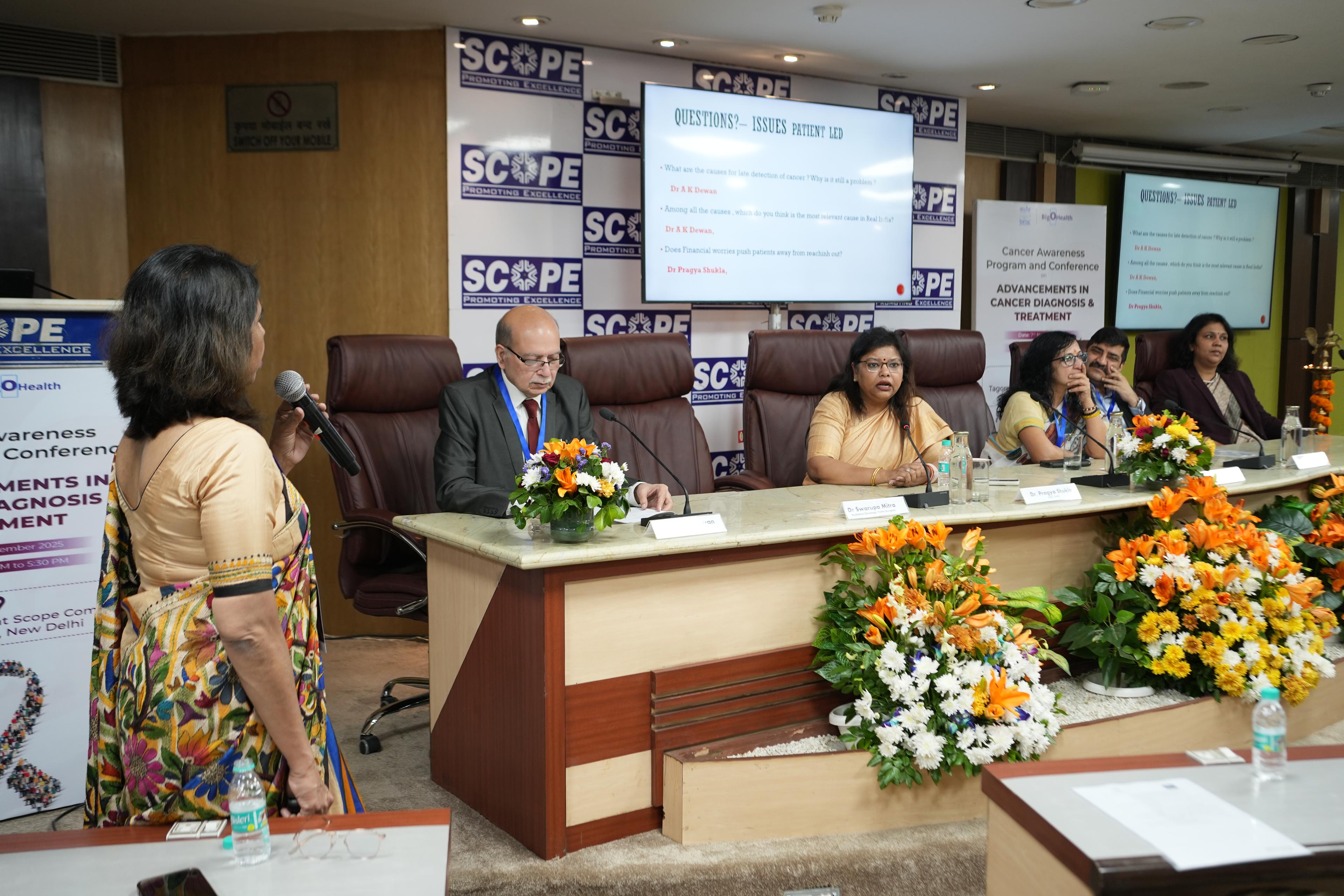 Conference
Leading oncologists and medical professionals discuss breakthrough treatments, innovations, and the future of cancer care in India.
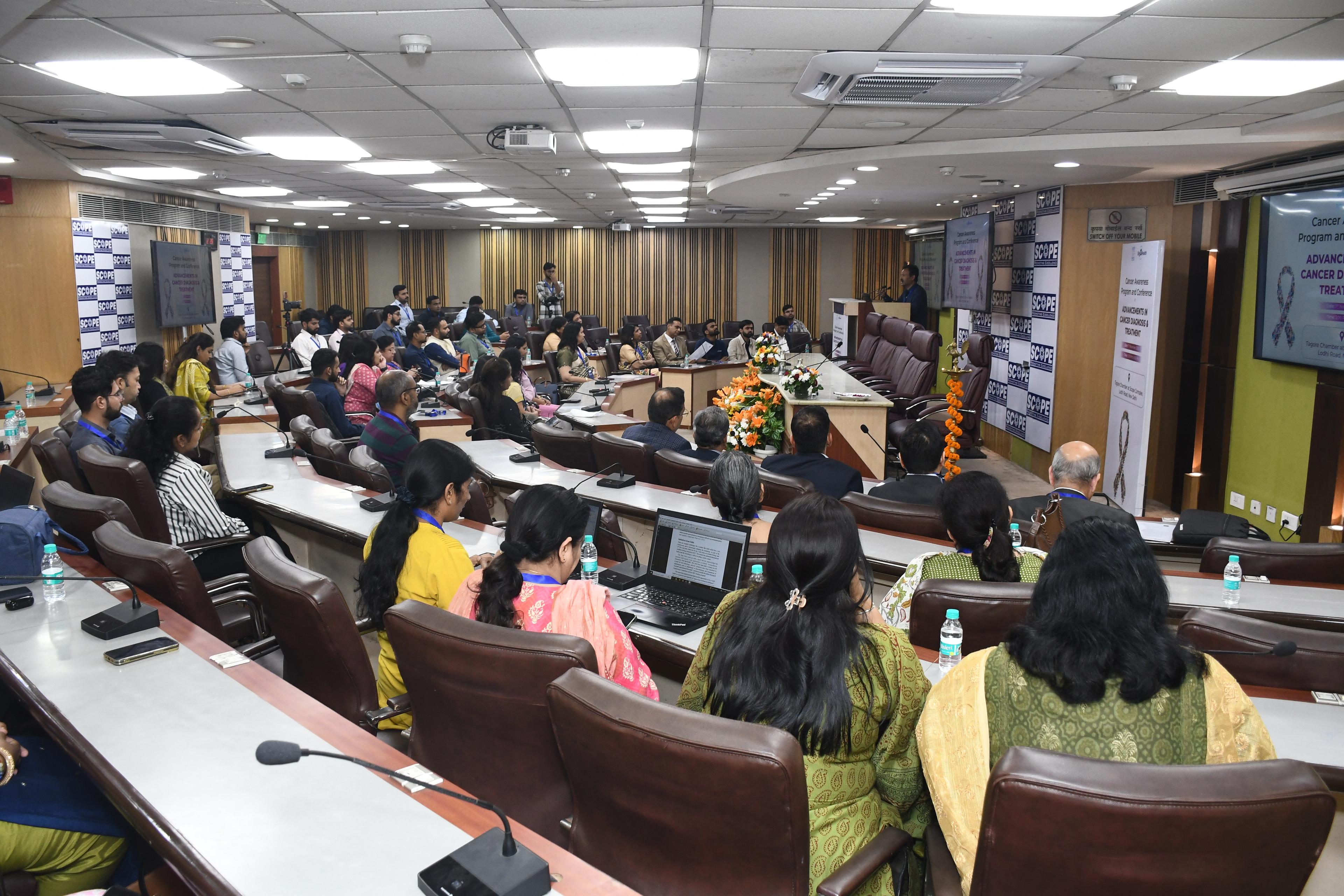 Conference
Advanced workshop on cancer innovation, precision medicine, and breakthrough treatments featuring leading oncology experts.
Tell us your situation and we’ll match you with the right cancer specialist in your city.
Quick call. No obligation.
Unified, compact view of symptom clusters and treatment impact. Content remains fully visible for search engines; search gently highlights matching terminology.
Early, common & advanced signs of oral cancer

Short & long-term side effects of oral cancer treatment

Informational reference only; seek urgent care for severe or rapidly worsening symptoms.
Get your Oral Cancer systematically reviewed through a multidisciplinary tumor board, where surgical, medical, and radiation oncologists collectively evaluate reports, imaging, and pathology to support evidence-based treatment planning personalised for you.
Clear, patient‑friendly answers to common oral cancer queries. All FAQs are visible (no accordion) for easy scanning and search optimization.
Mouth cancer begins when the cells inside the mouth start growing abnormally and form a non-healing sore, lump, or patch. It usually starts slowly but becomes serious if ignored. Early signs like ulcers or white/red patches should never be overlooked.
The main causes of oral cancer include tobacco (smoking or chewing), heavy alcohol use, and long-term mouth irritation. HPV infection, poor oral hygiene, and sun exposure on the lips also raise the risk. In some cases, oral cancer can occur without a clear reason.
Oral cancer is a type of cancer that develops in the mouth—affecting the tongue, lips, gums, or inner cheeks. It usually begins as a sore or patch that does not heal. Without treatment, these cancer cells can grow and spread.
Yes, oral cancer is dangerous because it can spread quickly to nearby tissues and lymph nodes. If diagnosed late, it becomes harder to treat and can be life-threatening. Early detection gives the best chance of successful recovery.
Oral cancer can spread fast, especially if it is aggressive or caught at a later stage. It often reaches nearby lymph nodes early. Quick diagnosis and timely treatment help control the spread.
Mouth cancer does not appear in a few days; it usually develops over several months or years. It begins as a small change that becomes noticeable only when symptoms become persistent. Regular dental and medical checkups help catch it early.
Educational guidance only; consult qualified oncology professionals for personalized medical advice.