Surgery + Radiation
“Coordinated care, clear cost guidance and compassionate follow‑ups made a tough journey feel structured and hopeful.”
AS
Ananya Sharma
Mumbai★ 5

Our cancer specialist doctors are trained from AIIMS (New Delhi) and Tata Memorial Centre (Mumbai), Rajiv Gandhi Cancer Institute etc with MD, DM & M.Ch. degrees.

Our cancer specialist doctors are trained from AIIMS (New Delhi) and Tata Memorial Centre (Mumbai), Rajiv Gandhi Cancer Institute etc with MD, DM & M.Ch. degrees.
Book Appointment with best doctors for Lung Cancer in Delhi & get priority at the hospital through BigOHealth
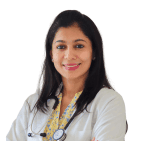
Oncologist
10 yrs experience
Fortis Memorial Research Institute
Dr. Suman Karanth is one of the leading lung cancer doctors in Delhi, recognized for her precision-based approach to diagnosis and treatment. She uses molecular profiling to guide the use of targeted therapies such as EGFR inhibitors and checkpoint immunotherapy, ensuring treatment is matched to the tumor's specific profile. Her training at The Christie Hospital, UK, and active involvement in thoracic oncology trials keep her practice at the forefront of lung cancer care, with a consistent focus on patient comfort and quality of life.
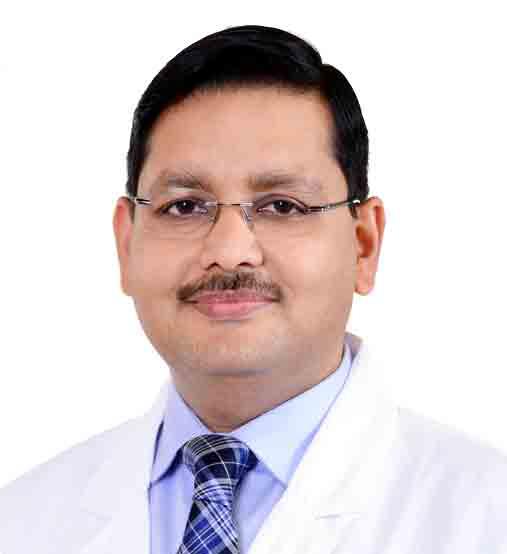
Surgical Oncologist
25 yrs experience
Fortis Memorial Research Institute
Dr. Vedant Kabra – Top Surgical Oncologist for Lung Cancer in Delhi With advanced training from the National Cancer Centre, Singapore, Dr. Vedant Kabra is a leading choice for Lung Cancer Surgery in Delhi. He specializes in minimally invasive and robotic thoracic procedures, offering precise tumor removal and faster recovery for complex cases.
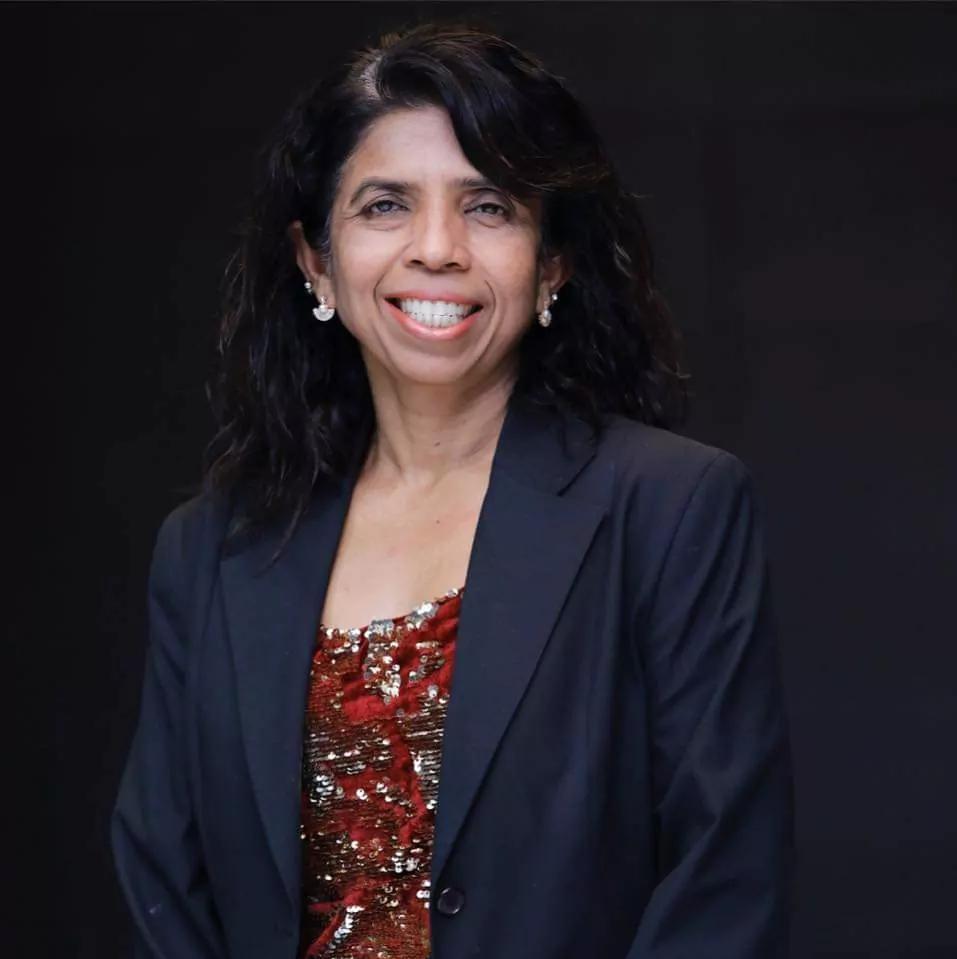
Oncologist
23 yrs experience
Fortis Memorial Research Institute
Dr. Swarupa Mitra – Top Lung Cancer Radiation Specialist in Delhi As a distinguished expert in SBRT (Stereotactic Body Radiation Therapy), Dr. Swarupa Mitra offers cutting-edge non-invasive treatment for lung tumors in Delhi. With training in advanced Linear Accelerators (Elekta/Varian), she delivers high-dose precision radiation that targets cancer while sparing healthy lung tissue. Consult Dr. Swarupa Mitra for superior oncological outcomes.

Pain and Palliative Medicine
12 yrs experience
Fortis Memorial Hospital
Dr. Megha Pruthi – Top Palliative Care Specialist for Lung Cancer in Delhi A distinguished expert in Symptom Management and Palliative Care, Dr. Megha Pruthi provides comprehensive relief for lung cancer patients in Delhi, addressing breathlessness and chest pain. Trained at AIIMS and Aesculap Academy (Germany), she focuses on improving quality of life through advanced evidence-based interventions.
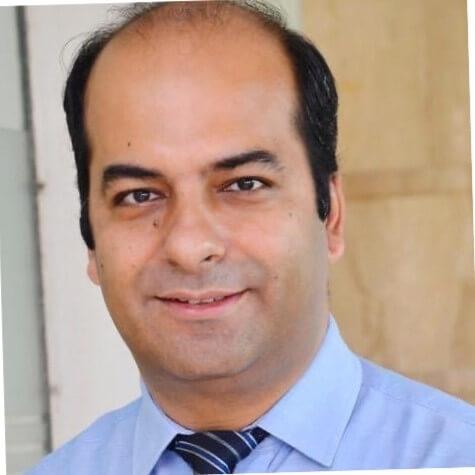
Medical Oncologist
15 yrs experience
Fortis Memorial Research Institute
Dr. Ankur Bahl – Top Lung Cancer Specialist in Delhi A renowned expert in Lung Cancer Immunotherapy, Dr. Ankur Bahl offers cutting-edge medical management for thoracic tumors in Delhi. With a DM from AIIMS and specialized training from Oxford (UK), he excels in designing precise drug protocols that target cancer cells while preserving quality of life.
Consult with top-rated medical oncologists specializing in lung cancer treatment
Oncologist
10 yrs experience
Fortis Memorial Research Institute
Dr. Suman Karanth is one of the leading lung cancer doctors in Delhi, recognized for her precision-based approach to diagnosis and treatment. She uses molecular profiling to guide the use of targeted therapies such as EGFR inhibitors and checkpoint immunotherapy, ensuring treatment is matched to the tumor's specific profile. Her training at The Christie Hospital, UK, and active involvement in thoracic oncology trials keep her practice at the forefront of lung cancer care, with a consistent focus on patient comfort and quality of life.
Medical Oncologist
15 yrs experience
Fortis Memorial Research Institute
Dr. Ankur Bahl – Top Lung Cancer Specialist in Delhi A renowned expert in Lung Cancer Immunotherapy, Dr. Ankur Bahl offers cutting-edge medical management for thoracic tumors in Delhi. With a DM from AIIMS and specialized training from Oxford (UK), he excels in designing precise drug protocols that target cancer cells while preserving quality of life.
Consult with top-rated surgical oncologists specializing in lung cancer treatment
Surgical Oncologist
25 yrs experience
Fortis Memorial Research Institute
Dr. Vedant Kabra – Top Surgical Oncologist for Lung Cancer in Delhi With advanced training from the National Cancer Centre, Singapore, Dr. Vedant Kabra is a leading choice for Lung Cancer Surgery in Delhi. He specializes in minimally invasive and robotic thoracic procedures, offering precise tumor removal and faster recovery for complex cases.
Consult with top-rated radiation oncologists specializing in lung cancer treatment
Oncologist
23 yrs experience
Fortis Memorial Research Institute
Dr. Swarupa Mitra – Top Lung Cancer Radiation Specialist in Delhi As a distinguished expert in SBRT (Stereotactic Body Radiation Therapy), Dr. Swarupa Mitra offers cutting-edge non-invasive treatment for lung tumors in Delhi. With training in advanced Linear Accelerators (Elekta/Varian), she delivers high-dose precision radiation that targets cancer while sparing healthy lung tissue. Consult Dr. Swarupa Mitra for superior oncological outcomes.
Consult with top-rated pain & palliative care specializing in lung cancer treatment
Pain and Palliative Medicine
12 yrs experience
Fortis Memorial Hospital
Dr. Megha Pruthi – Top Palliative Care Specialist for Lung Cancer in Delhi A distinguished expert in Symptom Management and Palliative Care, Dr. Megha Pruthi provides comprehensive relief for lung cancer patients in Delhi, addressing breathlessness and chest pain. Trained at AIIMS and Aesculap Academy (Germany), she focuses on improving quality of life through advanced evidence-based interventions.
Get treatment from best oncologists in Delhi for lung cancer in top hospitals. Book appointment through BigOHealth. Get assisted care & priority at the hospital.
Get lung cancer treatment at Delhi's premier hospitals with multidisciplinary cancer care teams. Book appointments through BigOHealth for priority scheduling.


Network Access: Book appointments at any of these Delhi hospitals through BigOHealth and get priority scheduling with our partner lung cancer specialists.
Should I see a thoracic surgeon or medical oncologist for lung cancer? Here's who to consult first.
| Feature | Thoracic Surgeon | Medical Oncologist |
|---|---|---|
| Primary Role | Performs lung biopsies, resections, and transplants | Oversees chemotherapy, targeted therapy, and immunotherapy |
| When to Visit | First Step: If you have a confirmed lung cancer diagnosis and need surgical intervention | Second Step: After surgery, or if cancer is advanced |
| Key Expertise | Expertise in VATS and robotic-assisted surgeries | Management of complex lung cancer cases |
| Common Titles | Chest Surgeon, Lung Surgeon | Oncologist, Chemo Specialist |
Primary Role
Performs lung biopsies, resections, and transplants
When to Visit
First Step: If you have a confirmed lung cancer diagnosis and need surgical intervention
Key Expertise
Expertise in VATS and robotic-assisted surgeries
Common Titles
Chest Surgeon, Lung Surgeon
Primary Role
Oversees chemotherapy, targeted therapy, and immunotherapy
When to Visit
Second Step: After surgery, or if cancer is advanced
Key Expertise
Management of complex lung cancer cases
Common Titles
Oncologist, Chemo Specialist
In Delhi, many patients with lung cancer are treated in multidisciplinary clinics where a team of specialists collaborates on your treatment plan. This ensures all aspects of your cancer care are coordinated and optimized.
Delhi has advanced technology for lung cancer treatment. Ask your doctor if these facilities are available:
Early detection programs for high-risk individuals, especially smokers.
Major cancer centersEGFR, ALK, ROS1, PD-L1 testing available for targeted therapy selection.
All major oncology centersMinimally invasive surgery with faster recovery compared to open surgery.
Max, Apollo, FortisPrecise, high-dose radiation for early-stage lung cancer, alternative to surgery.
Leading radiation centersLatest immunotherapy drugs (Pembrolizumab, Nivolumab) available.
All tertiary care hospitalsPro Tip: When booking your lung cancer consultation, ask the hospital coordinator if these technologies are available at their Delhi facility. Not all hospitals have the same level of infrastructure.
What should I ask my lung cancer doctor? Here are 5 important questions for your first consultation:
Why it matters: EGFR, ALK, and ROS1 mutations determine if targeted therapy is an option.
Why it matters: VATS offers faster recovery and less pain than traditional open surgery.
Why it matters: Higher PD-L1 levels indicate better response to immunotherapy.
Why it matters: Ensures surgeons, oncologists, and radiologists collaborate on your treatment plan.
Why it matters: Breathing exercises and rehabilitation improve lung function after treatment.
Before Your Lung Cancer Consultation: Ask for a copy of all your test reports, including molecular testing results. This helps when seeking second opinions.
Our team helps patients make a list of questions to discuss with doctors so that you can have best use of your consultation time. Message us & we will assist you.
What to look for when selecting a lung cancer specialist? Use these specific, actionable criteria to evaluate doctors and hospitals:
Choose a surgeon performing 40+ lung cancer surgeries annually, with proven expertise in VATS (Video-Assisted Thoracic Surgery). VATS patients recover 50% faster than open surgery with less pain and shorter hospital stays.
Ensure the hospital provides EGFR, ALK, ROS1, and PD-L1 testing results within 7-10 days. Delayed testing postpones targeted therapy and can worsen outcomes. Ask if testing is done in-house or outsourced.
For early-stage inoperable tumors, verify access to SBRT technology (CyberKnife/TrueBeam). SBRT delivers high-dose radiation in 3-5 sessions vs 30 sessions in conventional radiation, with better tumor control.
Confirm availability of Pembrolizumab, Nivolumab, and Durvalumab. Check if your insurance covers these drugs (₹1.8-2.6L per cycle). Some hospitals offer patient assistance programs reducing costs by 30-40%.
Look for dedicated pulmonary rehab with breathing exercises, oxygen therapy, and nutrition support. Structured programs improve lung function by 25-30% post-treatment and reduce breathlessness.
Confirm weekly tumor board meetings where thoracic surgeons, pulmonologists, medical oncologists, and radiologists review your case together. This collaborative approach catches treatment gaps early and optimizes outcomes.
During your lung cancer consultation in Delhi, ask your doctor about each of these factors. These questions help you identify truly experienced specialists and well-equipped hospitals for the best lung cancer treatment outcomes.
Confused about which lung cancer specialist to consult? Get free expert guidance from our patient care coordinators - Available 24/7
Finding a lung cancer doctor in Delhi who specializes in your exact type makes all the difference. At BigOHealth, we connect you with thoracic oncologists and pulmonologists who understand whether it's NSCLC or SCLC, what your molecular profile means, and which lung cancer treatmentsurgery, targeted therapy, or immunotherapygives you the best shot at recovery.
We walk with you through every step of your lung cancer journey in Delhifrom getting that first diagnosis to planning treatment, finding emotional support, and staying on track with follow-ups. You deserve honest answers, evidence-based care, and doctors who genuinely care about your recovery and quality of life.
We handpick specialists based on multiple factors to provide the best possible care.
Thousands of patients trust us for confident treatment decisions.
Book with our experts and get priorityonline or in‑hospital.
Doctors trained at top cancer centers like AIIMS, TMC, RGCIH and others.
Oncology, cardiology, nephrology, neurology, psychology and moreworking together.
We match you to the right expert for your diagnosis and priorities.
Searching for a lung cancer doctor in Delhi who understands your specific diagnosis? BigOHealth helps you find thoracic oncologists who specialize in both NSCLC and SCLC. These doctors use advanced molecular testing to identify which treatments—surgery, targeted therapy, or immunotherapy—will work best for your lung cancer subtype.
Low-dose CT screening for early detection in high-risk individuals (smokers, family history)
PET-CT staging and endobronchial ultrasound (EBUS) for accurate lymph node assessment
Video-assisted thoracic surgery (VATS) and robotic lobectomy for faster recovery
Molecular testing for EGFR, ALK, ROS1, BRAF mutations to guide targeted therapy selection
Immunotherapy combinations (Keytruda, Opdivo) and clinical trial access for advanced disease
Whether you're newly diagnosed or exploring treatment options, BigOHealth connects you with Delhi's best lung cancer specialists who explain your scan reports in plain language and help you understand which treatment path makes sense for your stage and overall health.
At BigOHealth, we provide transparent cost breakdowns that include surgery, chemotherapy, and advanced targeted therapies. By choosing a specialized Lung Cancer oncologists in Delhi, you can reduce out-of-pocket expenses while maintaining international standards of care. Costs are indicative and may vary depending on city, hospital, molecular profile, and personalized treatment plan.
N/A
Disclaimer: Indicative estimates only. Individual plans depend on clinical staging, biology & personalization.
Real experiences from Indian patients & caregivers navigating multidisciplinary cancer care.
Surgery + Radiation
“Coordinated care, clear cost guidance and compassionate follow‑ups made a tough journey feel structured and hopeful.”
Chemotherapy
“Streamlined appointments, quick second opinions and transparent estimates reduced our anxiety significantly.”
Endocrine Therapy
“Nutritional guidance & rehabilitation tracking helped me recover strength faster after completing therapy.”
Targeted Therapy
“Cost breakdowns were precise; I could plan insurance claims and avoid surprise expenses.”
Follow‑up Care
“Doctor selection filters saved time. Remote updates kept extended family informed without chaos.”
Chemotherapy + Supportive Care
“Personalized staging explanation and therapy pathway boosted my confidence before starting cycles.”
Surgery + Radiation
“Coordinated care, clear cost guidance and compassionate follow‑ups made a tough journey feel structured and hopeful.”
Chemotherapy
“Streamlined appointments, quick second opinions and transparent estimates reduced our anxiety significantly.”
Endocrine Therapy
“Nutritional guidance & rehabilitation tracking helped me recover strength faster after completing therapy.”
Targeted Therapy
“Cost breakdowns were precise; I could plan insurance claims and avoid surprise expenses.”
Follow‑up Care
“Doctor selection filters saved time. Remote updates kept extended family informed without chaos.”
Chemotherapy + Supportive Care
“Personalized staging explanation and therapy pathway boosted my confidence before starting cycles.”
Real work. Real impact. Embedded education & innovation content—watch videos, explore research, and see how BigOHealth advances cancer care.
 Video
Video Video
Video Video
Video Video
Video Video
Video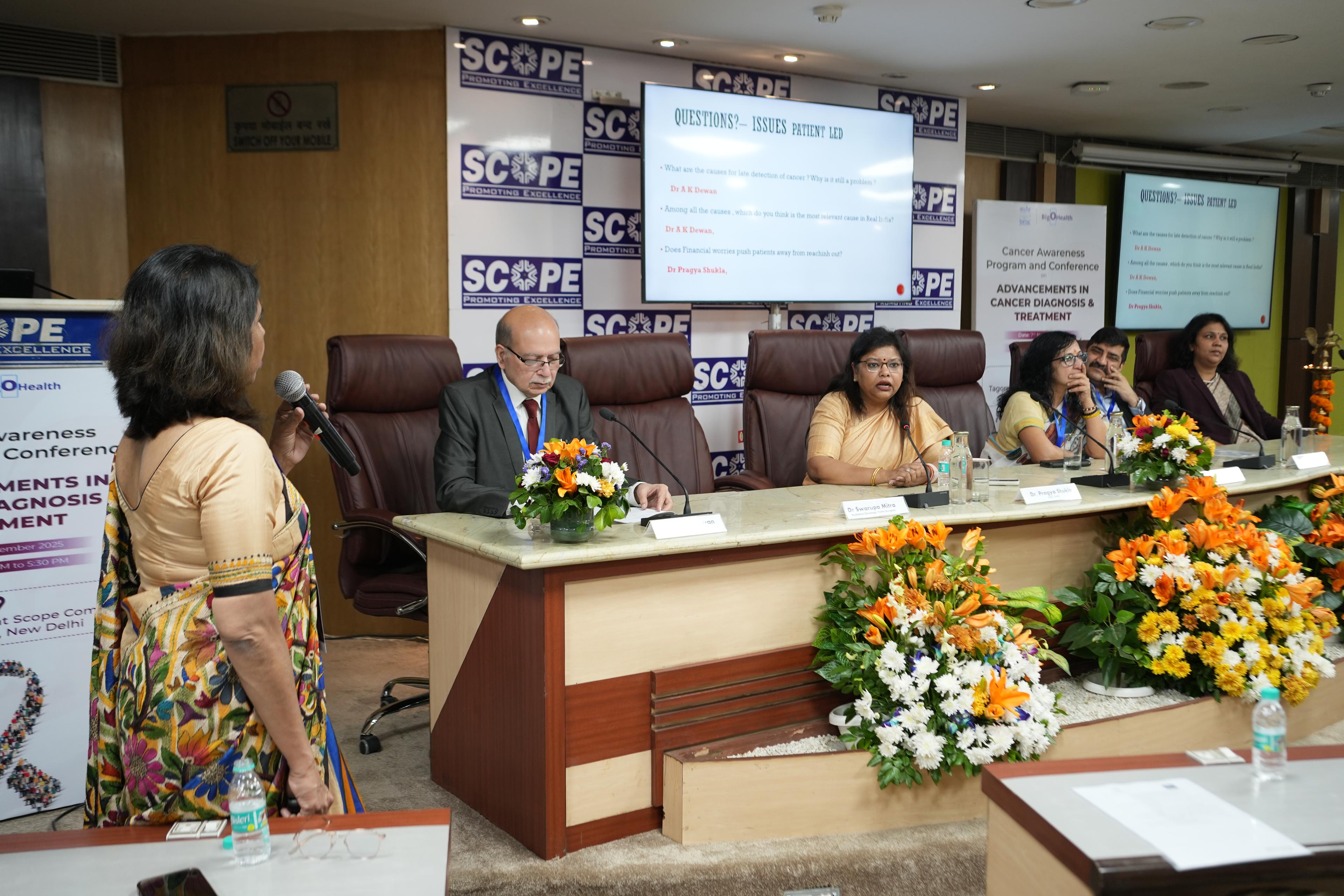 Conference
Leading oncologists and medical professionals discuss breakthrough treatments, innovations, and the future of cancer care in India.
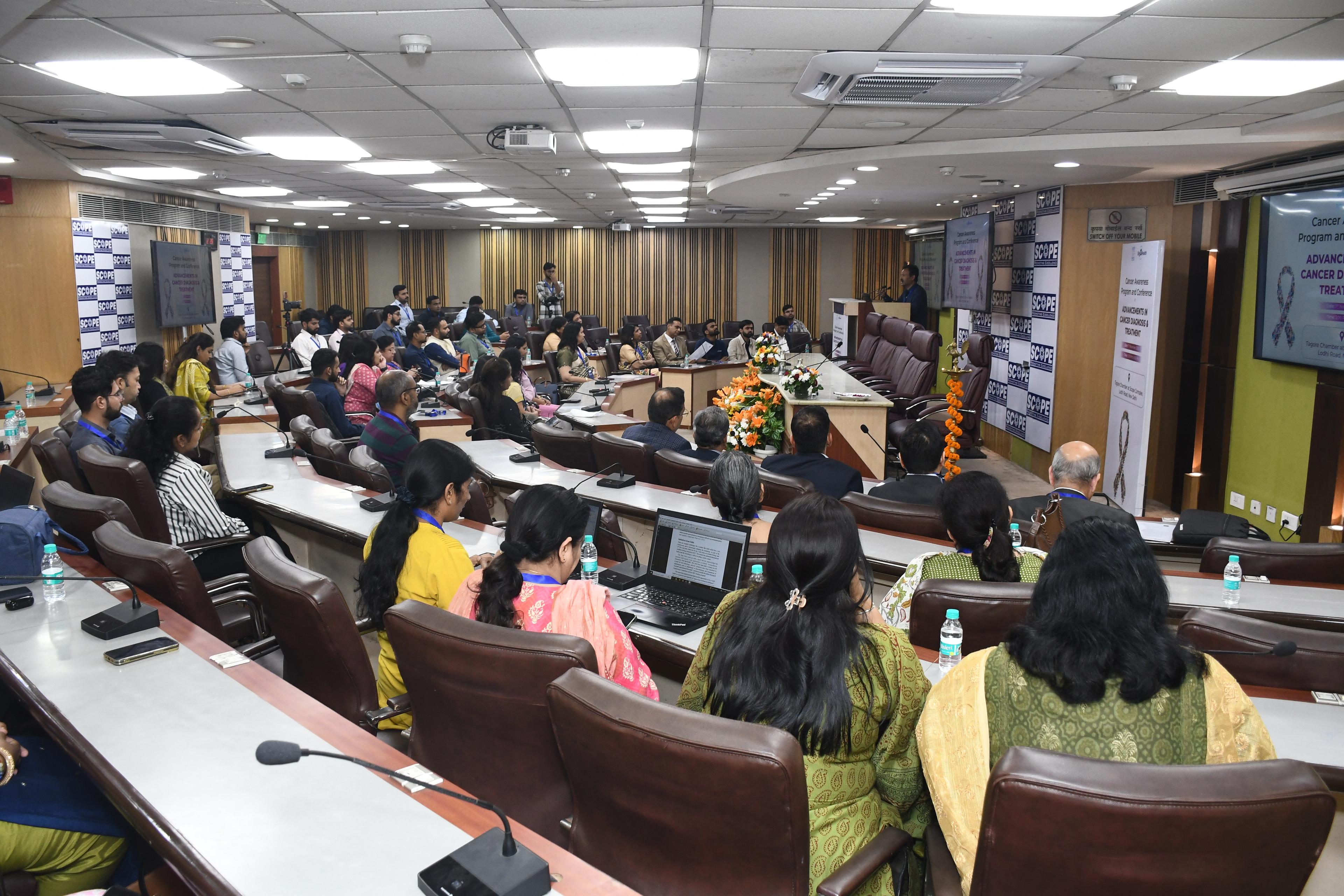 Conference
Advanced workshop on cancer innovation, precision medicine, and breakthrough treatments featuring leading oncology experts.
Tell us your situation and we’ll match you with the right cancer specialist in your city.
Quick call. No obligation.
Unified, compact view of symptom clusters and treatment impact. Content remains fully visible for search engines; search gently highlights matching terminology.
Early, common & advanced signs of lung cancer

Short & long-term side effects of lung cancer treatment

Informational reference only; seek urgent care for severe or rapidly worsening symptoms.
Get your Lung Cancer systematically reviewed through a multidisciplinary tumor board, where surgical, medical, and radiation oncologists collectively evaluate reports, imaging, and pathology to support evidence-based treatment planning personalised for you.
Clear, patient‑friendly answers to common lung cancer queries. All FAQs are visible (no accordion) for easy scanning and search optimization.
Doctors detect lung cancer with tests like chest X-rays or CT scans that show any unusual spots in the lungs. If something looks doubtful, a small tissue sample (biopsy) is taken to confirm cancer. Early tests help find the disease sooner.
A long-lasting cough, coughing blood, chest pain, and breathing difficulty are common signs. People may also feel weak, lose weight, or get frequent chest infections. Any symptom that stays for weeks should be checked by a doctor.
Most lung cancer happens due to smoking or breathing in polluted air and harmful chemicals for many years. Even non-smokers can get it because of family history or secondhand smoke. Sometimes the exact reason is not known.
Diagnosis starts with scans to look inside the lungs, followed by a biopsy to confirm the type of cancer. Doctors may also do blood tests or special scopes to understand how far it has spread. This helps choose the right treatment.
Stage 4 lung cancer is very advanced, so curing it completely is difficult. But treatments like immunotherapy, targeted drugs, and chemotherapy can slow the disease and help patients live longer. Care focuses on comfort and improving life quality.
Lung cancer happens when lung cells get damaged and start growing wrongly. Smoking, pollution, and chemical exposure increase this damage. Age and genetics can also make some people more at risk.
Educational guidance only; consult qualified oncology professionals for personalized medical advice.